Blog
What Is a Pallet Storage Racking System?
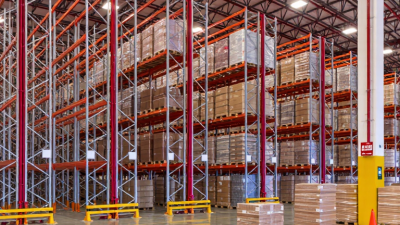
A Pallet Storage Racking System is a steel framework that stores palletized goods in organized, elevated positions. Beams support the pallets, while upright frames transfer their loads to the floor. In a busy warehouse, the system shapes more than storage: it affects forklift routes, picking speed, stock visibility, and how safely workers handle each load. A rack may look simple. Its design is not.
The right layout depends on pallet dimensions, product weight, inventory turnover, available floor space, and the equipment used to move goods. Selective racks provide direct access to each pallet; denser systems can store more goods but may limit access. The trade-off matters. A tightly packed aisle can save space and still slow daily work. Warehouse-design scholar Dr. John Bartholdi’s published work on warehouse operations supports a practical principle: storage density must be balanced with access and operating efficiency. This is a paraphrase, not a direct quotation.
Industry investment shows why these choices matter. MHI’s 2024 Annual Industry Report, produced with Deloitte and based on a survey of supply-chain professionals, found that 55% planned to increase investment in supply-chain technology and innovation. The report also found that 88% expected digital supply chains to become a key competitive advantage within five years. These figures are not rack-specific, but they underline the pressure to make storage systems work with evolving warehouse operations. A rack plan should be checked against real pallet loads, clearances, and traffic patterns—not only a floor-space drawing. Even a well-designed system needs regular inspection; assumptions can age quickly.
Read more »
 By:Clara
- November 12, 2026
10 Pallet Rack Systems Tips for Buyers
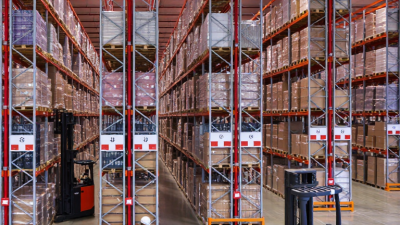
Buying Pallet Rack Systems is not simply a matter of choosing the tallest frame or lowest price. The right layout must fit your products, forklifts, building, and daily workflow. A pallet that overhangs a beam by a few inches can affect access and stability. So can an aisle that looks generous on a drawing but feels tight during a busy shift.
Industry reports help explain why buyers should look beyond the rack itself. MHI and Deloitte’s 2024 Annual Industry Report surveyed supply-chain professionals and highlighted continued interest in automation and digital technologies. WERC’s 2024 DC Measures report tracks distribution-center operating benchmarks, including productivity and inventory accuracy. These findings do not prescribe a rack design. They do show why storage decisions should support measurable operating needs, not just floor-space savings.
Before requesting quotes, record pallet dimensions, loaded weights, SKU counts, and peak inventory. Note clear ceiling height, sprinkler locations, column spacing, and forklift turning needs. Small details matter. Ask suppliers how their proposal handles load capacity, installation, inspections, and future changes. Confirm that quoted capacities match the actual configuration; a beam rating is not a complete system rating. Have qualified professionals review site conditions and design requirements.
This guide shares ten practical tips for comparing options, checking claims, and planning for growth. Some buyers still focus too heavily on price. That is understandable, but worth reconsidering. A cheaper system may cost more later if it limits access or needs costly changes. Measure twice. Then compare.
Read more »
 By:Amelia
- November 12, 2026
How to Choose the Right Pallet Racking System
Choosing the right Pallet Racking system can make a warehouse safer, easier to navigate, and more efficient. The wrong layout can leave forklifts struggling through tight aisles or valuable stock difficult to reach. These problems often begin with a simple oversight: choosing equipment before understanding how the space and inventory work together.
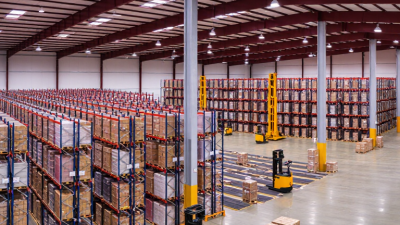
A sound decision starts with the products you store. Note pallet dimensions, load weights, turnover rates, and whether goods need direct access. Then measure clear ceiling height, aisle width, column positions, doors, and sprinkler clearance. Details matter. A few inches can affect forklift movement or reduce usable beam space. Selective racking suits operations that need access to many different pallets, while drive-in, push-back, and flow systems may fit higher-density storage needs. Each option involves trade-offs in access, capacity, and cost.
This guide explains how to compare those systems, assess future growth, and review essential safety factors. Confirm load requirements using supplier specifications, and have site conditions evaluated by qualified professionals. Floor capacity and equipment compatibility should never be guessed. A spreadsheet may help organize the numbers, but it cannot reveal every daily frustration. That part takes honest observation. Watch how staff pick orders, replenish stock, and handle peak periods. The best system is not always the one with the greatest storage density; sometimes, easier access is worth the space it uses.
Read more »
By:Amelia
- November 12, 2026