0%

Buying Pallet Rack Systems is not simply a matter of choosing the tallest frame or lowest price. The right layout must fit your products, forklifts, building, and daily workflow. A pallet that overhangs a beam by a few inches can affect access and stability. So can an aisle that looks generous on a drawing but feels tight during a busy shift.

Industry reports help explain why buyers should look beyond the rack itself. MHI and Deloitte’s 2024 Annual Industry Report surveyed supply-chain professionals and highlighted continued interest in automation and digital technologies. WERC’s 2024 DC Measures report tracks distribution-center operating benchmarks, including productivity and inventory accuracy. These findings do not prescribe a rack design. They do show why storage decisions should support measurable operating needs, not just floor-space savings.

Before requesting quotes, record pallet dimensions, loaded weights, SKU counts, and peak inventory. Note clear ceiling height, sprinkler locations, column spacing, and forklift turning needs. Small details matter. Ask suppliers how their proposal handles load capacity, installation, inspections, and future changes. Confirm that quoted capacities match the actual configuration; a beam rating is not a complete system rating. Have qualified professionals review site conditions and design requirements.

This guide shares ten practical tips for comparing options, checking claims, and planning for growth. Some buyers still focus too heavily on price. That is understandable, but worth reconsidering. A cheaper system may cost more later if it limits access or needs costly changes. Measure twice. Then compare.
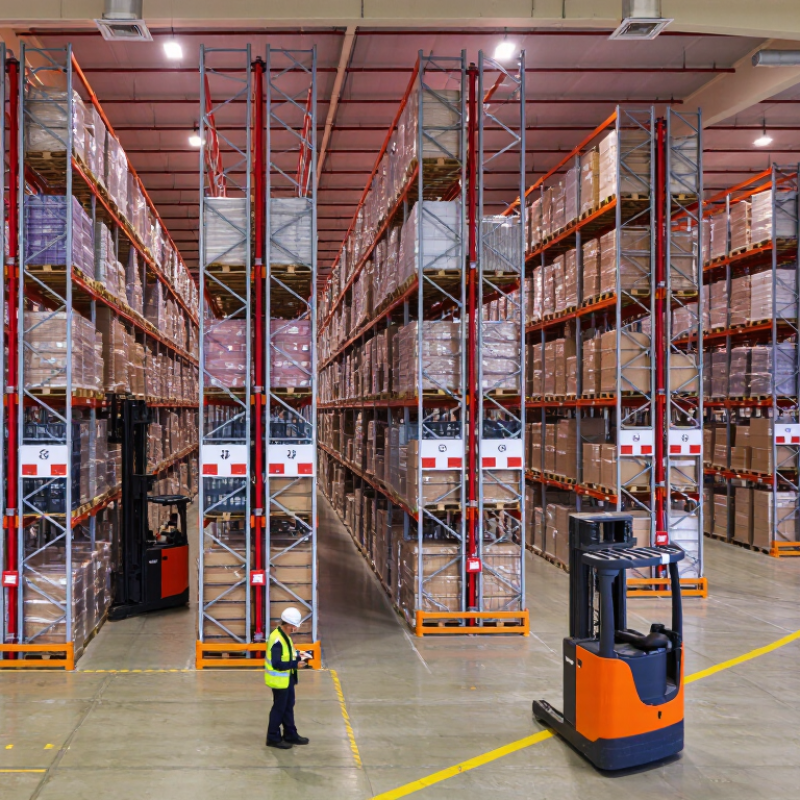
10 Pallet Rack Systems Tips for Buyers

Assess Your Storage Needs and Warehouse Constraints

Before comparing pallet rack systems, map what actually enters and leaves your warehouse. Record pallet dimensions, loaded weight, and the tallest typical load, not just average figures. A few oversized pallets can change beam spacing and aisle planning. Walk the floor during a busy shift. Note forklift turning paths, staging zones, columns, doors, sprinkler lines, and low-clearance utilities. Measure twice. A tape measure and a simple floor sketch often reveal more than a product brochure. I have seen a “free” corner disappear beneath seasonal overflow, so include outbound staging in your measurements.

Check the slab condition and capacity with a qualified professional before anchoring rack uprights. Cracks, uneven joints, or concealed services may affect placement and anchoring choices. Measure clear height beneath lights and sprinkler piping, leaving room for handling and maintenance. Match aisle widths to the actual lift truck and load; test turns in tight spots. Consider SKU count, access frequency, and likely inventory changes. Dense storage may save floor space but slow picking when pallets block one another. The numbers may shift. That is normal. Document your assumptions, then verify them on site before ordering. A rough sketch helps, but it is not a rack design.

Pallet Footprint Comparison for Rack Planning

Compare common pallet sizes to estimate the floor area each pallet occupies before accounting for rack structure, aisles, and operating clearances.

Footprint areas are calculated from the listed pallet dimensions: EUR (1,200 × 800 mm), ISO (1,200 × 1,000 mm), and North American (48 × 40 in). These values describe pallet footprints only; actual rack capacity also depends on aisle width, rack layout, load overhang, clear height, columns, and safety clearances.

Compare Pallet Rack Types and Their Best Uses

Pallet rack selection should follow inventory movement, not warehouse size alone. Selective rack gives workers direct access to each pallet, which helps when products vary or orders change often. It also needs wider aisles. Drive-in rack stores similar pallets several positions deep, making it useful for high-volume goods with fewer picking cycles. Forklifts enter the lanes, so consistent pallet sizes and careful driving matter.

Push-back rack uses nested carts to store multiple pallets per lane, often with loading and picking from the same aisle. It can save space, but access is last-in, first-out. Pallet flow rack uses rollers to move pallets toward a picking face, supporting first-in, first-out rotation for dated goods. It costs more to configure and needs suitable pallets. No system fits every operation. A layout that looks efficient on paper may slow picking when product variety rises.

Tips: Compare peak inventory, pallet dimensions, load weights, and forklift turning space before choosing. Ask for rack load ratings and confirm the floor can support the planned loads. Leave room for inspections and repairs. Aisles should reflect actual equipment, not optimistic estimates. Walk a sample picking route before approval.

Verify Load Capacity, Safety Features, and Compliance

Before buying pallet rack, verify the rated capacity for the exact configuration you plan to install. Beam length, upright height, and shelf levels can change the system’s limits. Compare the supplier’s load tables with your pallet weights and dimensions, including uneven or concentrated loads. A tidy spreadsheet can create false confidence. Check the actual pallets, too.

Inspect practical safety features, not just the product sheet. Look for locking pins that prevent beams from lifting out, upright guards near forklift routes, and clear load signs at eye level. Confirm that aisles allow equipment to turn without clipping frames. Small details matter. Also ask whether the floor slab and anchors suit the proposed loads; rack capacity alone does not establish that the installation is safe.

Compliance depends on location and site conditions, so confirm applicable building, fire, and workplace requirements with qualified local professionals. Request written capacity documentation, installation instructions, and inspection guidance before ordering. Keep records current. If the rack layout changes, or heavier products arrive, reassess the ratings rather than relying on old labels. Buyers sometimes overlook small configuration changes; it is worth checking twice.

Plan Aisle Layout, Equipment Access, and Future Expansion

A pallet rack plan should begin with the work happening between the racks. Measure the widest loads, then check the turning needs of the actual lift equipment. Use equipment specifications and a supplier’s layout review rather than copying a standard aisle width. A few extra inches can change how safely an operator positions a pallet. Test the layout on the floor with tape before installation.

Keep busy pick faces near packing or staging areas, but avoid routes that force lift trucks through pedestrian traffic. Mark travel lanes, columns, fire equipment, and door swings on the drawing. Check that operators can approach each bay squarely, with room to lift and lower loads without scraping uprights. Small details matter. A blocked end aisle can make a whole row inconvenient.

Plan for change, not just today’s inventory. Leave space for another rack row, a staging zone, or a different handling method where practical. Make sure the floor and rack design can support the intended loads, and label capacities clearly. A layout that looks efficient on paper can feel cramped during a real turn. Recheck it when product sizes or equipment change; even a careful plan will need adjustment.

Evaluate Suppliers, Installation, Costs, and Ongoing Inspections

When evaluating pallet rack suppliers, ask for load tables that match your beam lengths, frame heights, and pallet weights. Request layout drawings showing aisle widths and forklift turning space. A supplier should explain assumptions, not just send a price. Check references for projects with similar loads and operating conditions. Ask who will verify the final configuration before materials are ordered.

Installation quality affects both safety and long-term costs. Confirm that the quote includes unloading, assembly, anchoring, and floor checks. The concrete slab must suit the rack loads; a site assessment can identify weak spots or uneven areas. Clarify who handles permits or local code checks, where applicable. Budget for end-of-aisle guards and temporary warehouse disruption. Cheap quotes can omit details. I have seen a small missing item create an awkward delay.

Inspections should be part of normal operations, not an annual afterthought. Train staff to report bent uprights, loose anchors, damaged beams, or missing locking pins. Look closely at frame bases after forklift contact. Keep a simple log with the rack location, date, damage, and repair status. Replace damaged components only with parts approved for that system. Do not improvise. Check load signs when pallet sizes or stored goods change, and keep aisles clear enough for safe access.

10 Pallet Rack Systems Tips for Buyers - Evaluate Suppliers, Installation, Costs, and Ongoing Inspections

# Buyer Tip What to Evaluate Practical Check
1 Document the loads Specify the maximum loaded pallet weight, pallet dimensions, load overhang, and the number of pallet positions per bay. Provide suppliers with representative and heaviest loads. Confirm that proposed beam and frame capacities are based on the actual configuration and applicable design requirements.
2 Check the building and floor Review clear height, column locations, doors, sprinklers, lighting, slab condition, and floor capacity before selecting a layout. Have site dimensions and floor information checked by qualified professionals. Do not assume an existing concrete slab can support a new rack layout without verification.
3 Match the rack to operations Compare selective, drive-in, push-back, and other layouts against inventory rotation, SKU count, pallet access needs, and handling equipment. Selective racks provide direct access to each stored pallet; higher-density systems can reduce selectivity or require specific operating procedures. Confirm the trade-off fits the operation.
4 Verify supplier expertise Assess relevant project experience, engineering support, documentation, references, and the supplier’s process for responding to design questions. Request drawings, written load capacities for the proposed configuration, component specifications, and clear warranty and service terms. Compare equivalent scope across bids.
5 Review engineering and compliance Check that the design considers local building and fire codes, seismic requirements where applicable, the building structure, and the intended rack configuration. Ask which codes and design criteria apply at the project location and who is responsible for engineering approval. Requirements vary by jurisdiction and site conditions.
6 Plan safe aisles and clearances Account for forklift type, turning requirements, pallet dimensions, rack depth, operating clearances, and sprinkler or egress requirements. Base aisle widths on the selected equipment and a verified layout—not a generic rule of thumb. Confirm required clearances with the equipment, rack, and building professionals.
7 Specify installation details Clarify who will install the system, prepare the site, supply anchors and accessories, and manage permits, inspections, and schedule coordination. Require installation to follow approved drawings and manufacturer instructions. Confirm base plates, anchorage, shims, and rack alignment are handled as specified.
8 Compare total project costs Include rack components, engineering, freight, installation, permits, protection, signage, taxes, and potential changes to lighting or fire protection. Ask for itemized quotations with exclusions and assumptions. Compare lifecycle needs and service support as well as the initial purchase price.
9 Plan inspections and reporting Establish routine checks for visible damage, displaced loads, missing components, loose or damaged connections, and blocked aisles. Assign trained personnel to report concerns promptly and keep inspection and repair records. Set inspection frequency based on use, risk, site procedures, and applicable requirements.
10 Manage damage and future changes Define how impact damage, unauthorized alterations, replacement parts, and changes in pallet loads or rack layout will be controlled. Restrict changes to approved procedures. Have damaged components assessed and repaired or replaced as directed by qualified personnel; update drawings and capacity information after approved changes.

Planning note: Rack capacities, clearances, anchorage, inspection procedures, and legal requirements depend on the specific system, site, and jurisdiction. Confirm project details with qualified design and installation professionals.

FAQS

What should I measure before choosing pallet racking?

Record pallet dimensions, loaded weights, and the tallest typical loads. Include oversized pallets and outbound staging areas. Measure twice.

What warehouse conditions can affect rack placement?

Check slab condition with a qualified professional before anchoring uprights. Mark columns, doors, sprinkler lines, utilities, and low-clearance areas on a floor sketch. A neat drawing can still be wrong.

Which rack type suits frequent access to varied products?

Selective rack provides direct access to each pallet, helping when products or orders change often. It usually needs wider aisles. Easy access matters.

When are drive-in, push-back, or pallet flow racks useful?

Drive-in rack suits similar, high-volume goods with fewer picking cycles. Push-back stores several pallets per lane, but follows last-in, first-out access. Pallet flow supports first-in, first-out rotation for dated goods and needs suitable pallets.

How should I set warehouse aisle widths?

Match aisle widths to the actual forklift and load. Test turns in tight spots, then walk a sample picking route. Guesswork gets awkward.

What should I request from a rack supplier?

Ask for load tables matching beam lengths, frame heights, and pallet weights. Request drawings that show aisles and turning space. Ask the supplier to explain its assumptions.

Which costs should an installation quote include?

Confirm whether the quote covers unloading, assembly, anchoring, and floor checks. Budget for aisle guards and temporary work disruption. A low quote may leave out small but important items.

How should staff inspect pallet racking?

Train staff to report bent uprights, loose anchors, damaged beams, and missing locking pins. Keep a log with each location, date, damage, and repair status. Do not improvise repairs.

Conclusion

Choosing the right Pallet Rack Systems starts with understanding what you store, how much space is available, and how your warehouse operates. Compare rack types according to the size, weight, and turnover of your goods, then confirm that each option meets your load requirements and includes appropriate safety features. Account for clearances, equipment access, aisle widths, and the possibility of future changes so the layout supports both daily work and long-term growth.

Before purchasing, compare suppliers on product quality, installation support, total costs, and the availability of ongoing inspections. A well-planned system is not simply a way to add storage capacity: it should make inventory accessible, use warehouse space efficiently, and support safe, reliable operations over time. Careful planning and regular checks can help buyers avoid costly mismatches and keep the storage setup suited to their needs.

Amelia

Amelia

Amelia is a professional marketing specialist who brings a strong understanding of the company’s products and the needs of the people who use them. She regularly updates the company website with informative blog articles, turning product knowledge into clear, practical guidance. Her writing helps......