0%

Choosing the right Pallet Racking system can make a warehouse safer, easier to navigate, and more efficient. The wrong layout can leave forklifts struggling through tight aisles or valuable stock difficult to reach. These problems often begin with a simple oversight: choosing equipment before understanding how the space and inventory work together.

A sound decision starts with the products you store. Note pallet dimensions, load weights, turnover rates, and whether goods need direct access. Then measure clear ceiling height, aisle width, column positions, doors, and sprinkler clearance. Details matter. A few inches can affect forklift movement or reduce usable beam space. Selective racking suits operations that need access to many different pallets, while drive-in, push-back, and flow systems may fit higher-density storage needs. Each option involves trade-offs in access, capacity, and cost.

This guide explains how to compare those systems, assess future growth, and review essential safety factors. Confirm load requirements using supplier specifications, and have site conditions evaluated by qualified professionals. Floor capacity and equipment compatibility should never be guessed. A spreadsheet may help organize the numbers, but it cannot reveal every daily frustration. That part takes honest observation. Watch how staff pick orders, replenish stock, and handle peak periods. The best system is not always the one with the greatest storage density; sometimes, easier access is worth the space it uses.
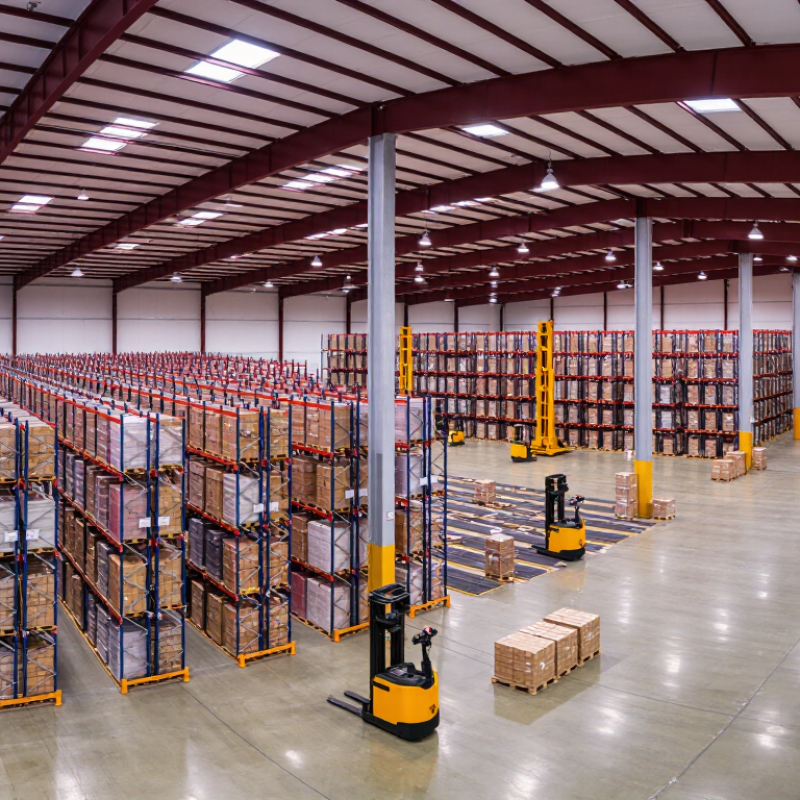
How to Choose the Right Pallet Racking System

Assess Inventory, Throughput, and Storage Requirements

How to Choose the Right Pallet Racking System
Assess Inventory, Throughput, and Storage Requirements

Start with the stock, not the rack catalogue. Count pallet sizes, weights, and total inventory, then identify fast-moving and slow-moving SKUs. Measure the actual aisle width, ceiling height, and sprinkler clearance. Measure twice. A layout that looks efficient on paper can fail when a forklift needs room to turn.

Throughput changes the choice. High-volume items may need direct access to each pallet, while slower stock can suit denser storage with fewer access aisles. Track pallets received and dispatched per shift, along with picking frequency and seasonal peaks. The 2024 MHI Annual Industry Report found that 55% of surveyed supply chain professionals planned to increase technology investment. That trend makes it sensible to consider future equipment and data needs, not just today’s workflow.

Use the Warehousing Education and Research Council’s DC Measures report as a reference for warehouse performance measures, including picking productivity and order accuracy. Compare your own figures before and after modeling a layout; benchmarks are context, not a substitute for site data. One practical miss is counting pallets but overlooking odd-sized loads. They can create wasted beam space. Check load ratings, floor capacity, and rack configuration with qualified professionals before installation. Even careful forecasts can be wrong. Revisit the plan when SKU mix or order patterns change.

Compare Pallet Racking Types and Their Access Methods

Selective pallet racking gives forklift operators direct access to every pallet position. It works well when inventory changes often or many products share the same warehouse. Each aisle takes floor space, though. Keep that trade-off in view.

Drive-in racking stores pallets several positions deep, with forklifts entering the lanes. It can increase storage density for similar products, but access is less selective; operators usually remove the newest pallet first. Push-back systems also store pallets deep, using carts that move back as new pallets enter. Both suit larger batches better than a wide mix of individual items. Small details matter.

Pallet-flow racking uses inclined rollers so pallets move toward the unloading face. Loading and picking happen on opposite sides, supporting first-in, first-out movement when products and pallet conditions are suitable. That can help with dated stock, but rollers need inspection and pallets must move smoothly. Cantilever racks, by contrast, provide open access for long or irregular loads such as pipes and timber.

Before choosing, map SKU counts, pallet dimensions, turnover, and forklift paths. A dense layout can look efficient on paper and still feel awkward during a busy shift. Check load ratings and clearances with a qualified rack professional; access is useful only when the system fits the building and operating routine.

Check Load Capacity, Building Limits, and Equipment Fit

Choosing a pallet racking system starts with the loads it will actually hold. Record the heaviest pallet, including its packaging, and note whether weight sits evenly across the beams. Averages hide awkward loads. Check the rack’s rated capacity for each beam level and bay, not just the total number on a product sheet. Also consider how pallets will be placed; a load pushed to one side can stress a beam differently. I would not size a system from a typical pallet weight alone. It is an easy shortcut, and a risky one.

The building sets limits, too. Measure clear height beneath lights, pipes, sprinklers, and door tracks. Check column locations and leave room for safe access. Ask a qualified professional to confirm that the floor can support the rack and its stored loads; a concrete surface may look sturdy without telling you its capacity. Small details matter. Equipment must fit the layout. Measure the forklift’s turning radius, mast height, and load reach, then compare them with aisle width and the top storage level. Try a loaded-pallet movement on the proposed route before finalizing the plan. Measurements can miss a tight corner. Recheck them.

How to Choose the Right Pallet Racking System — Check Load Capacity, Building Limits, and Equipment Fit

Racking System Storage Access and Density Typical Planning Dimensions Forklift and Aisle Fit Building and Load Checks Best Suited For
Selective pallet rack Direct access to every pallet; lower storage density than drive-in or flow systems. Common rack depths are about 42–48 in. Beam elevations and bay widths are set to suit pallet dimensions and handling clearance. Often paired with counterbalance forklifts; aisles are commonly planned around 10–12 ft, subject to the truck’s turning and load dimensions. Check clear height, column locations, sprinkler and lighting clearances, floor condition, and the rated capacity of each beam level and upright frame. Many SKUs, frequent picking, and operations that need straightforward access to each pallet.
Double-deep rack Stores pallets two positions deep; increases density but reduces immediate access to the rear pallet. Requires a deeper layout than single-deep selective rack, with aisle and rack spacing designed around the reach attachment and pallet depth. Requires a compatible deep-reach truck. Aisle width must follow the truck manufacturer’s working-aisle specification and the actual load size. Confirm reach-truck capacity at the required lift height and reach distance; account for reduced capacity at extended reach and upper levels. Multiple pallets per SKU and a need for more storage positions without switching to a high-density lane system.
Drive-in or drive-through rack High-density lanes with limited selectivity; pallets are typically managed by lane and loading sequence. Lane depth is based on the number of pallet positions, pallet dimensions, and required operating clearances. Forklifts enter the storage lanes. Check truck dimensions, overhead clearance, turning space, and operator visibility inside the structure. Verify rack design for the specified lane depth, pallet loads, impact protection, floor flatness, and any building or seismic design requirements. Large quantities of similar products, lower SKU counts, and operations that can use last-in/first-out or first-in/first-out lane practices.
Push-back rack Multiple pallets are stored in depth on inclined carts; each lane generally operates on a last-in/first-out basis. Lane depth and levels depend on the selected cart system, pallet type, and load dimensions. Typically served from the aisle face by a forklift; confirm truck aisle requirements and that pallet handling is compatible with the cart rails. Check load uniformity, pallet condition, lane capacity, floor levelness, and whether the building has adequate clear height for the planned levels. Moderate-to-high density for several pallets per SKU where aisle access is needed only at the front of each lane.
Pallet flow rack Gravity rollers move pallets through a lane; commonly configured for first-in/first-out inventory rotation. Lane length, roller pitch, and slope are engineered for the pallet, product, and load characteristics. Forklifts load and retrieve at separate faces. Plan for access to both ends and ensure the truck can serve the aisle layout. Confirm pallet quality, load stability, lane speed-control requirements, floor levelness, and the rated capacity of the complete flow assembly. High-throughput operations with repeatable pallet loads and a need for stock rotation.
Cantilever rack Open-front storage with no front columns between arms; suitable for long, bulky items rather than standard pallet lanes. Arm length, column spacing, and rack height are selected according to product length, load distribution, and handling method. May use forklifts or other handling equipment suited to long loads; check turning space and load overhang throughout the travel path. Verify arm and column ratings, load placement, floor anchoring, building clear height, and protection from vehicle impact. Pipe, lumber, panels, furniture, and other long or irregular materials.

Planning note: Dimensions and aisle widths shown are typical planning references, not design specifications. Rack capacity depends on the complete engineered configuration, including beam span, frame height and depth, bracing, load distribution, floor conditions, and applicable local requirements. Confirm actual pallet weight and dimensions, clear building height, obstructions, forklift capacity at the required lift height, and the rack supplier’s load data before installation.

Review Safety Standards, Aisle Layout, and Installation Needs

Before comparing rack heights or beam levels, confirm the safety requirements that apply to your building. Use the rack supplier’s load data and have a qualified professional verify that the design suits your stored goods and floor conditions. Post capacity information where operators can see it. Keep damaged uprights, loose anchors, or bent beams out of service until inspected. Small details matter.

Aisle width should match the equipment, not just the floor plan. Measure forklift turning paths with the largest loads you expect to handle, then allow room for safe approach and visibility. Check that rack rows do not obstruct exits, fire equipment, or sprinkler coverage. A drawing can look generous until a pallet overhangs. Measure twice.

Installation needs deserve attention before delivery. Check slab condition, anchor requirements, ceiling height, lighting, and access for installers and lifting equipment. Coordinate the work around receiving schedules and keep the area clear while frames are being secured. If the floor slopes or cracks, pause and get it assessed rather than compensating with improvised shims. Plans change. Recheck clearances after installation, with actual forklifts and representative pallets in place; a small aisle adjustment may affect both throughput and safe movement.

How to Choose the Right Pallet Racking System

Typical aisle-width planning ranges by forklift type

Aisle widths are typical planning ranges, not universal safety requirements. Counterbalance forklifts generally need wider aisles than reach trucks or narrow-aisle turret trucks. Confirm the truck manufacturer’s turning requirements, load dimensions, rack layout, clearances, and applicable fire and building codes before installation. OSHA requires aisles to provide safe clearances but does not set one aisle width for every warehouse.

Plan for Expansion, Maintenance, and Changing Inventory

How to Choose the Right Pallet Racking System

Plan for Expansion, Maintenance, and Changing Inventory

A racking layout should fit today’s pallets without blocking tomorrow’s options. Leave space for another bay, a different beam level, or a wider turning area. Measure the largest loads, not just the average ones, and confirm aisle widths suit your handling equipment. Plans change.

Growth forecasts are rarely exact. A new product may arrive in taller cartons, or seasonal stock may need temporary space. Adjustable beams can help, but only within the rack’s rated capacity. Keep load limits visible, and have a qualified professional verify that the structure, floor, and anchoring suit the intended loads. Extra space is useful; guessing about capacity is not.

Maintenance also needs room to happen. Keep rack uprights visible and accessible so staff can spot bent components, loose connections, or impact damage during routine checks. Record issues and arrange prompt assessment rather than relying on a quick visual fix. Inventory changes can shift weight distribution, too. Review the layout whenever pallet sizes, product weights, or picking patterns change. I’ve found that even a sensible plan can miss small operational details, such as a frequently used pallet stored behind a busy aisle. Regular feedback from the people moving stock can reveal those gaps.

FAQS

What load information should I collect before choosing pallet racks?

Record the heaviest pallet, including packaging. Note whether its weight sits evenly across the beams. Averages can hide awkward loads.

How should I check a rack’s capacity?

Check the rated capacity for each beam level and bay. Do not rely only on a total figure from a product sheet. A load pushed to one side may stress a beam differently.

Which building measurements matter?

Measure clear height beneath lights, pipes, sprinklers, and door tracks. Mark building columns and keep access routes clear. Small details matter.

How can I tell whether the floor can support the racks?

Ask a qualified professional to assess the floor and stored loads. Concrete can look sturdy without showing its true capacity. I would not guess.

How do I check that forklifts will fit the layout?

Measure turning radius, mast height, and load reach. Compare them with aisle width and the highest storage level. Test a loaded pallet on the planned route.

What should I consider when setting aisle widths?

Match aisle width to the equipment and largest expected loads. Allow room for safe approach and visibility. A tidy drawing can still fool you.

What should be checked before installation?

Review the slab, anchors, ceiling height, lighting, and installer access. Keep the work area clear while frames are secured. Plans change.

What should happen if racks or clearances look unsafe?

Keep damaged uprights, loose anchors, or bent beams out of service until inspected. Recheck clearances after installation with actual forklifts and representative pallets. Measure twice.

Conclusion

Choosing the right Pallet Racking system starts with understanding what you store, how quickly inventory moves, and how much space is available. Consider the size, weight, and variety of your products, along with how often staff need to access each pallet. Compare racking types by their storage density and access methods so the system suits your workflow rather than simply maximizing capacity.

Before making a decision, check that the rack’s load capacity matches your inventory and that the building, floor, and handling equipment can accommodate the design. Plan aisle widths, safety measures, and installation requirements around day-to-day operations. Finally, consider how easily the system can adapt to future growth, changing inventory, and routine maintenance. A well-planned choice can support efficient access, safe storage, and flexibility over time.

Amelia

Amelia

Amelia is a professional marketing specialist who brings a strong understanding of the company’s products and the needs of the people who use them. She regularly updates the company website with informative blog articles, turning product knowledge into clear, practical guidance. Her writing helps......